
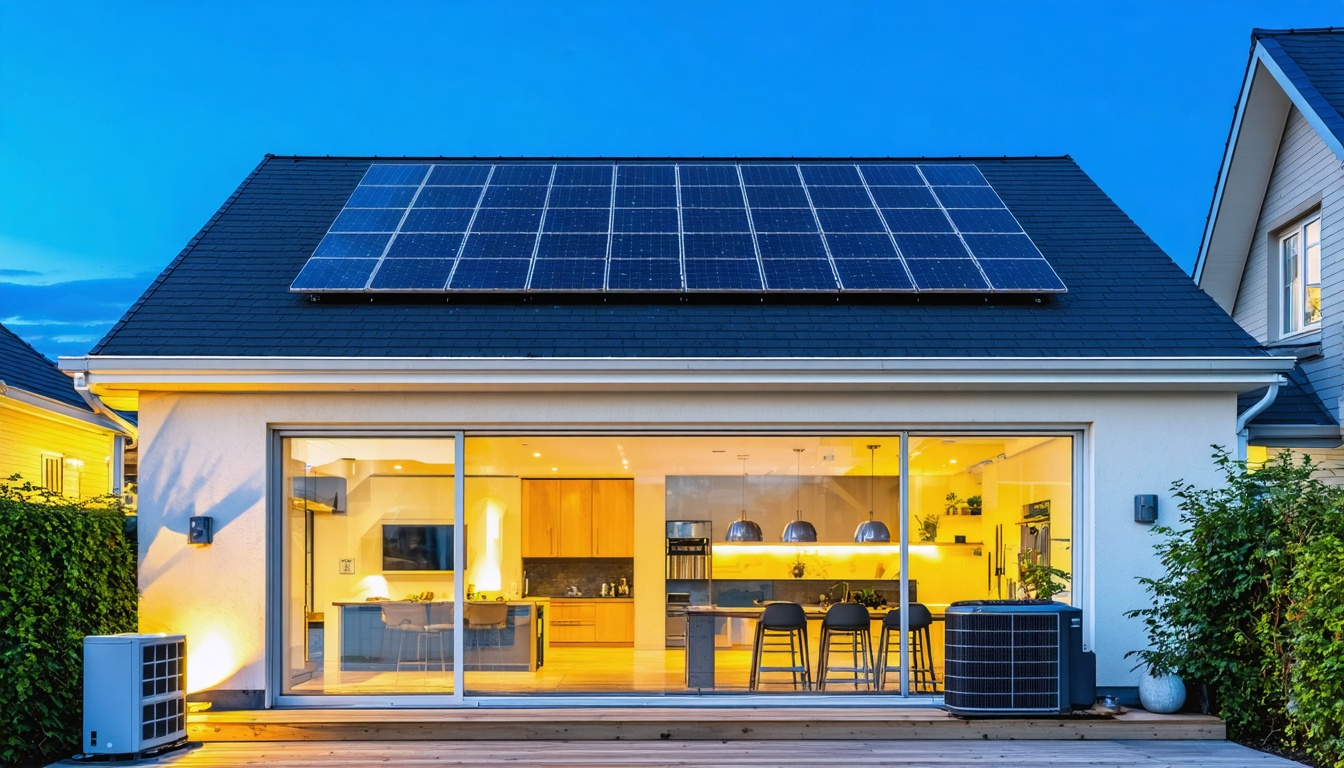
Home Energy Efficiency Improvements That Complement Solar Power
Investing in solar panels can be complemented by various energy efficiency improvements in your home, enhancing the overall effectiveness of your solar energy system. Upgrades such as improved insulation, high-performance windows, smart home technology, and energy-efficient appliances can contribute to reduced energy consumption, which can lead to lower electricity bills and maximize the benefits of solar energy. Better insulation minimizes heat loss in the winter and heat gain in the summer, reducing the demand on heating and cooling systems. This can lead to less energy usage overall, allowing your solar panels to cover a larger portion of your energy needs. Similarly, modern windows with energy-efficient coatings can improve comfort and reduce energy costs by minimizing the reliance on artificial heating and cooling. Implementing smart technology can enhance the efficiency of energy management in your home. Smart thermostats, for instance, can optimize heating and cooling schedules based on occupancy and weather patterns. This means that your solar energy system can produce optimally when the demand is lower, making your system more effective. Investing in high-efficiency appliances also plays a crucial role. These appliances consume less energy than their standard counterparts, thereby decreasing overall energy requirements in your household. As a result, the energy produced by your solar panels can be used more efficiently, further maximizing your investment. In summary, enhancing your home's energy efficiency through insulation, windows, smart technology, and appliances supports the performance of solar energy systems. These improvements collectively lead to increased comfort, potential property value enhancement, and a reduction in environmental impact.
Enhancing Insulation and Air Sealing
The installation of solar panels is an important step toward adopting sustainable energy practices; however, it is crucial to enhance your home's insulation and air sealing simultaneously. Homeowners considering solar power may benefit from contacting Solar Installers Serving Jamaica to ensure a comprehensive energy efficiency strategy. Proper insulation and air sealing can significantly minimize air leaks and heat loss, which results in tangible benefits for homeowners, such as lower electricity bills and a reduced dependence on natural gas.
Furthermore, these improvements can increase the overall value of a property. Homes that demonstrate efficient energy performance may be eligible for federal tax credits, which the Internal Revenue Service administers. These financial incentives can help offset the costs associated with home improvement projects focused on energy efficiency.
In regions like New York, upgrading insulation serves as a practical approach to support broader energy efficiency initiatives, which may include the integration of battery storage and heat pump water heaters.
In addition to financial benefits, upgrading insulation and air sealing can also lead to a decrease in fossil fuel consumption, thereby contributing to environmental sustainability. Improved insulation can also have positive effects on indoor air quality, which is a critical consideration for homeowners.
Homeowners seeking more information regarding potential savings and frequently asked questions can utilize resources such as Savings Calculators and FAQ sections provided by various energy efficiency programs. These tools can aid in understanding the financial and practical implications of enhancing one's home insulation and air sealing.
Upgrading Windows, Doors, and Lighting
Improving a home’s energy efficiency can be effectively achieved through the upgrade of windows, doors, and lighting systems, particularly when combined with solar power installations. Efficient windows and doors are critical for minimizing air leaks and heat loss, which can result in reduced electricity and heating and cooling costs. The installation of storm windows or doors can enhance insulation and sealing, an approach that has been recognized by homeowners, particularly in areas such as New York, due to its potential cost-saving benefits.
Furthermore, the incorporation of smart indoor lighting solutions and the maximization of natural daylight can significantly lower energy demand. Utilizing energy-efficient lighting contributes to reduced electricity consumption and can result in long-term cost savings.
Homeowners in the United States may qualify for federal tax credits associated with these improvements. For detailed information, individuals are advised to consult the Internal Revenue Service (IRS) guidelines and their FAQ section concerning these incentives.
Overall, these upgrades are designed to enhance energy performance and decrease utility expenses rather than serve solely an aesthetic purpose.
Improving Water Heating Systems
Many homeowners often focus on insulating walls and upgrading windows to improve energy efficiency; however, modernizing water heating systems can also yield significant efficiency gains, especially when combined with solar energy solutions.
The adoption of heat pump water heaters has the potential to lower energy costs and improve the overall heating and cooling efficiency within a residence.
In regions such as New York, homeowners may be eligible for federal tax credits of up to $2,000 for making such upgrades to their water heating systems. This financial incentive aims to promote the use of more efficient technologies.
Furthermore, measures such as sealing and insulating around pipes, reducing air leaks, and installing low-flow fixtures can enhance the overall savings linked to water heating.
For individuals keen on evaluating the potential savings from these upgrades, employing a Savings Calculator and exploring FAQs can offer valuable insights.
These resources can assist homeowners in making informed decisions regarding upgrades to their water heating systems and understanding the associated environmental benefits.
Adopting Energy-Efficient Appliances and Fixtures
Upgrading household appliances and fixtures to energy-efficient models is a practical approach to optimize the use of solar power. Selecting appliances that comply with recognized efficiency standards, such as Energy Star® rated refrigerators and induction stoves, can lead to reductions in electricity expenses and a lowered reliance on natural gas.
The adoption of low-flow fixtures and heat pump water heaters can further enhance energy savings by minimizing both energy consumption and hot water usage. Homeowners may also qualify for federal incentives related to eligible projects as specified by the Internal Revenue Service.
In addition, implementing measures such as air sealing, installing storm windows, and using smart thermostats can significantly contribute to overall energy efficiency. These strategies improve a home's capacity to utilize solar energy, ultimately resulting in cost savings and reduced environmental impact.
For more information on eligibility for incentives and related benefits, individuals can consult our Frequently Asked Questions resource tailored for residents in the United States, particularly in New York, as well as businesses seeking energy efficiency upgrades.
Transitioning to Clean Heating and Cooling Technologies
Transitioning to clean heating and cooling technologies can enhance energy efficiency in residential buildings and improve the effectiveness of solar power systems. For example, air source heat pumps can operate with up to 50% greater efficiency compared to traditional natural gas heating methods.
Heat pump water heaters are designed to reduce energy consumption, potentially leading to lower utility bills and annual savings for homeowners.
Additionally, the integration of smart thermostats and improved air sealing techniques can enhance indoor air quality and may increase property value. Installing storm windows and adequate insulation effectively minimizes air leaks, which contribute to energy loss.
Homeowners in New York and throughout the United States can achieve notable energy improvements by reducing reliance on fossil fuels, optimizing appliances, and considering battery storage solutions. These measures promote energy efficiency and align with a more sustainable energy future.
Leveraging Tax Credits and Incentives for Home Upgrades
Reducing the cost associated with energy-efficient home upgrades can be effectively achieved by utilizing tax credits and incentives available to homeowners. In the United States, federal tax credits can reimburse up to 30% of the costs incurred from eligible energy-saving projects. Such projects include investments in solar energy systems, heat pump water heaters, air sealing, and various appliance upgrades.
Eligible upgrades also encompass the installation of storm windows and doors, energy-efficient water heating systems, and battery storage systems. Homeowners seeking to claim these credits must complete IRS Form 5695.
Furthermore, the Environmental Protection Agency (EPA) offers a Savings Calculator that helps homeowners estimate the financial benefits resulting from these home improvements.
Investing in energy-efficient upgrades presents several benefits, including reduced utility costs, decreased carbon emissions, and improved indoor air quality. These improvements play a role in enhancing environmental sustainability while also providing long-term financial advantages for homeowners.
Conclusion
Implementing energy efficiency upgrades can enhance the effectiveness of solar power systems in residential settings. Enhancements such as improved insulation, high-performance windows and doors, and modern, energy-efficient appliances can significantly reduce overall energy consumption. By lowering energy usage, homeowners can maximize the benefits gained from solar energy, consequently decreasing utility bills and minimizing their environmental impact. From a financial perspective, combining energy efficiency measures with solar installations can yield long-term savings and increase the overall value of the property. Various incentives, such as rebates and tax credits, may be available to assist homeowners in offsetting the costs of these upgrades. It is advisable to investigate local, state, and federal programs to determine eligibility and maximize financial efficiency when considering home improvements. In summary, integrating energy efficiency upgrades with solar energy systems can provide tangible benefits in terms of cost savings and sustainability.